
Crown Thinning Santa Rosa
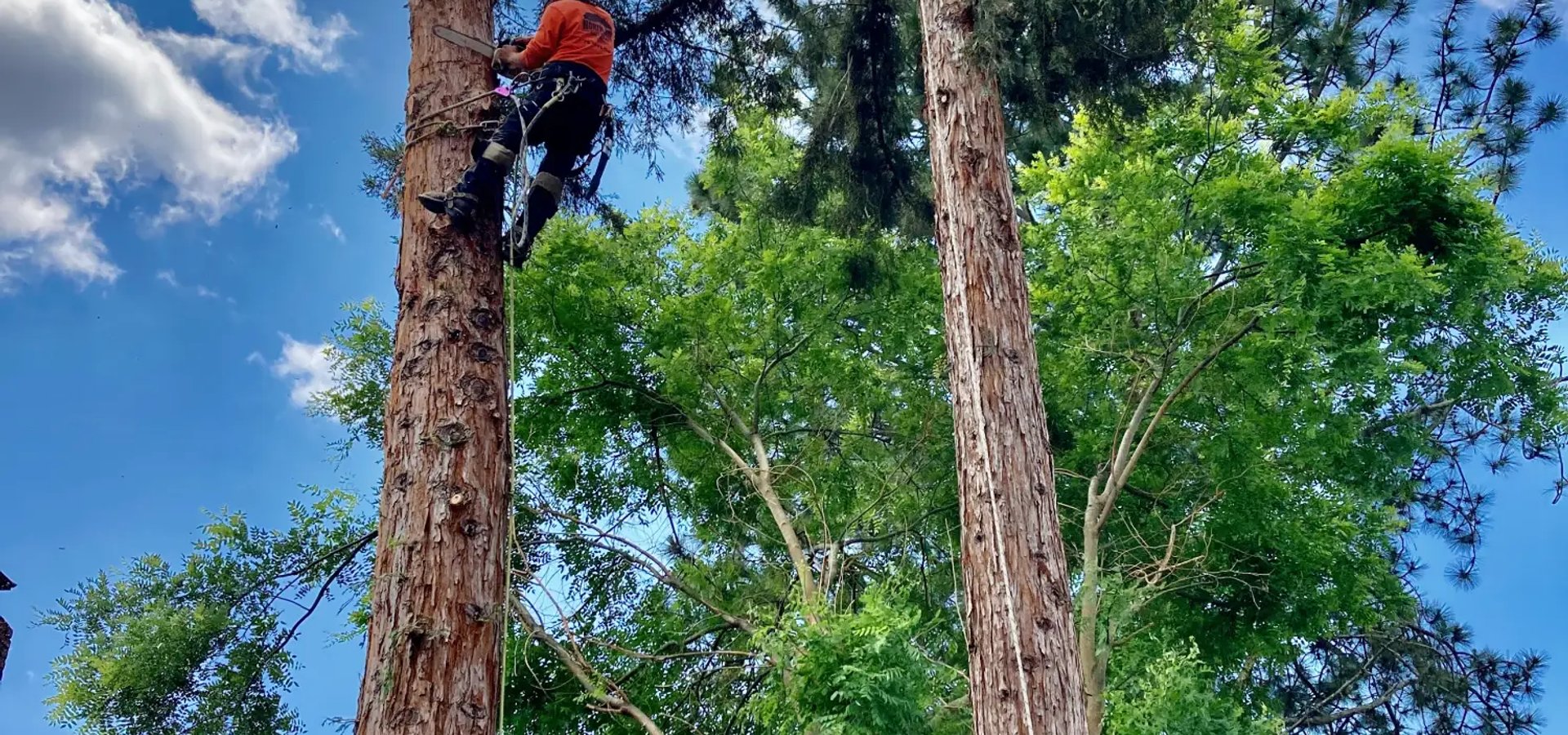
Crown Thinning for Crowded, Dense & Heavy Tree Canopies
SRT Forestry provides crown thinning in Santa Rosa, CA for trees with dense canopies, crowded interior branches, poor airflow, heavy limb weight, and blocked light around homes, yards, driveways, and landscaped areas.
Crown thinning is not the same as cutting the whole tree smaller. It is selective tree pruning inside the canopy to remove crowded, weak, crossing, or poorly placed branches. If the tree is too large for the space, tree crown reduction may be the better fit.
- Thin dense tree canopies without stripping the tree
- Improve light and airflow through crowded branches
- Reduce selected interior weight and branch conflict
- Clean up dead, crossing, or poorly placed limbs
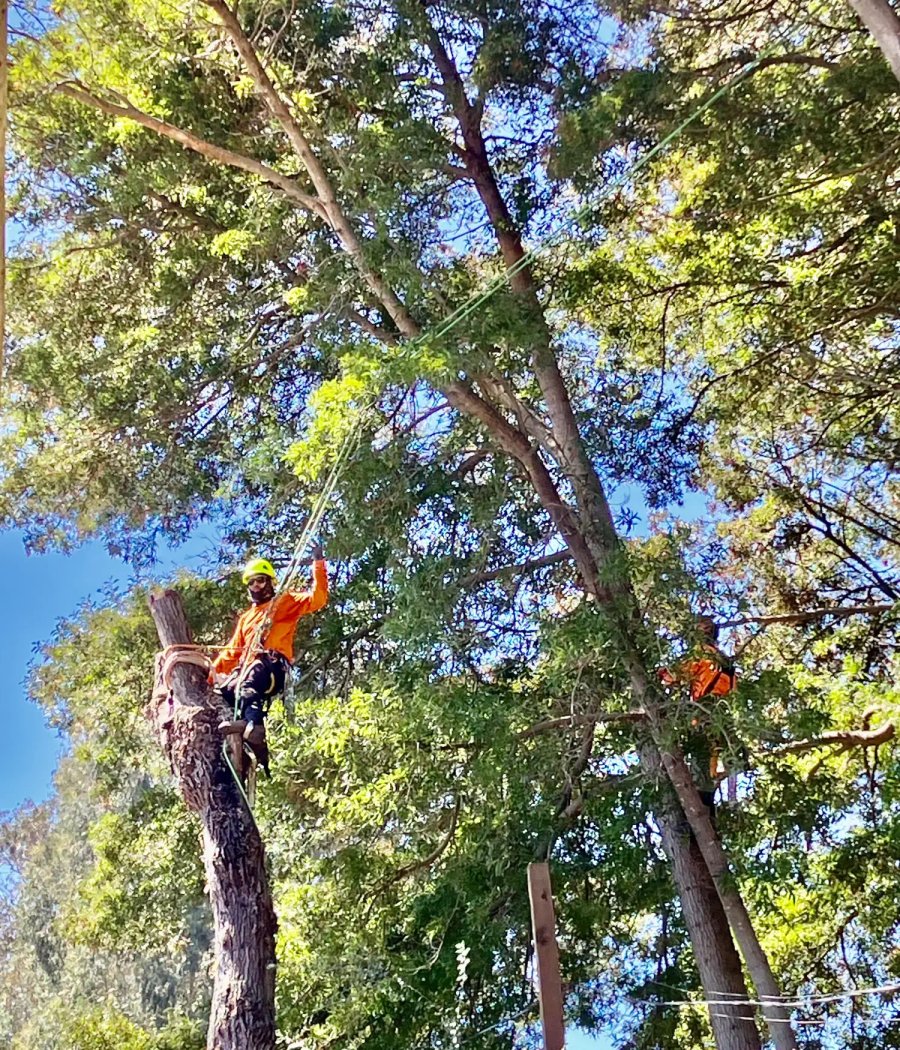
The Goal Is Airflow, Not Overcutting
Good crown thinning opens the canopy carefully. Bad thinning can leave a tree weak, exposed, or uneven.
Crown Thinning for Airflow, Light, Balance & Branch Structure
Crown thinning is a good fit when a tree feels too dense but does not need to be made much smaller. It can help reduce branch crowding while keeping the overall size and natural shape of the tree.
Dense Canopies
We selectively remove crowded interior branches so the canopy is not packed with competing growth.
Crossing Branches
Crossing limbs can rub, weaken, and create future failure points. Thinning helps clean up poor branch structure.
Interior Deadwood
Dead or weak branches inside the crown can be removed before they drop into yards, patios, or access areas.
More Light Below
Thinning may help more light reach lawns, patios, gardens, and outdoor living areas under the canopy.
Canopy Airflow
Opening selected areas can improve airflow through the canopy, especially on dense trees in tighter yards.
Tree Condition Review
If thinning reveals cracks, decay, or weak unions, arborist service may be the next step.

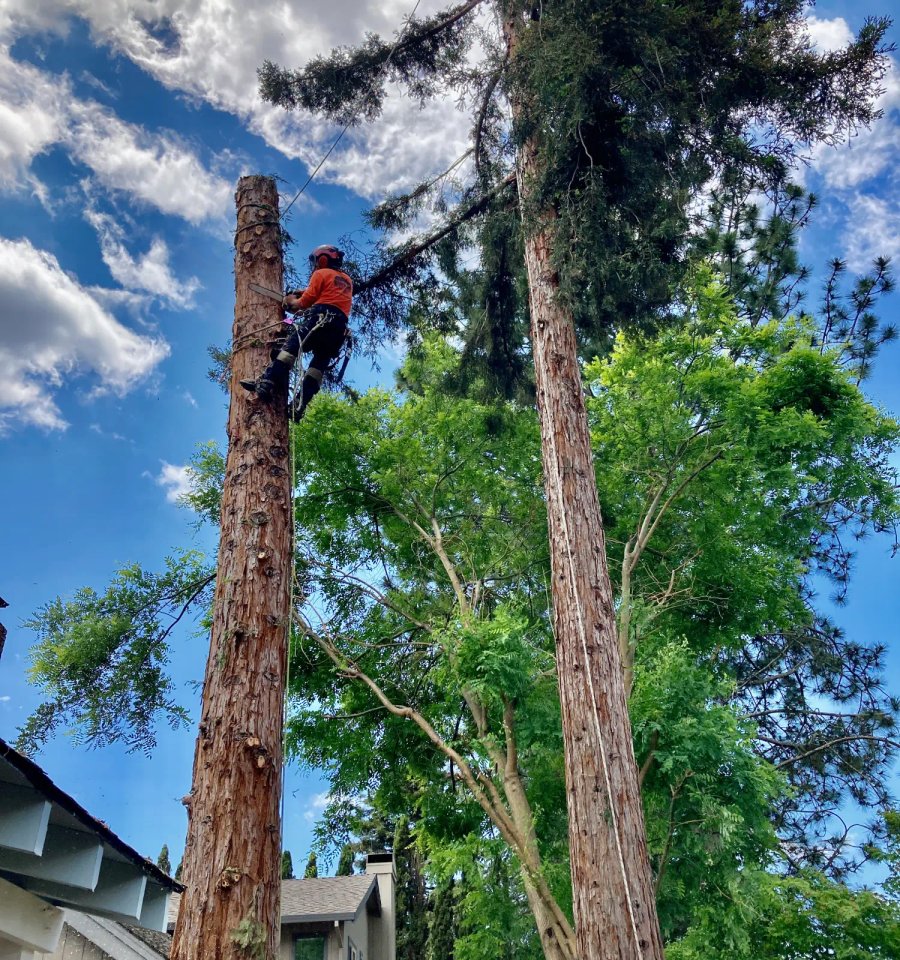
Crown Thinning Should Keep the Tree Balanced
Before thinning a crown, we look at the tree’s shape, interior growth, deadwood, branch spacing, weak unions, and what problem the customer is trying to solve. A dense shade tree near a home needs different work than a tree shading a driveway or garden.
Some trees need thinning. Others need tree crown reduction to reduce size, tree limb removal for one problem branch, or tree cabling and bracing if the structure needs support.
- Selective interior cuts: We remove crowded, weak, dead, or crossing branches where it helps.
- Natural shape: The tree should still look like itself after thinning.
- Balanced canopy: Too much thinning on one side can create new problems.
- Cleanup included: We handle limbs, brush, and debris after the pruning work.
Need crown thinning in Santa Rosa? Call SRT Forestry and we will help decide whether thinning, pruning, or reduction is the right service.
Call NowCrown Thinning Questions in Santa Rosa
Common questions from homeowners with dense, crowded, or heavy tree canopies.
What is crown thinning?
Crown thinning is selective pruning inside the tree canopy. It removes crowded, weak, crossing, dead, or poorly placed branches while keeping the tree’s overall size and natural shape mostly intact.
Is crown thinning the same as crown reduction?
No. Crown thinning opens the canopy by removing selected interior branches. Crown reduction reduces the size or spread of the canopy by shortening selected outer branches.
Can crown thinning help with light under the tree?
Yes, in many cases. Thinning can allow more filtered light through the canopy, but it should not be overdone. Too much thinning can stress the tree or create uneven growth.
Can every tree be crown thinned?
No. Some trees are not good candidates because of decay, weak structure, stress, or poor branch layout. If the tree is unstable, hazardous tree removal may be safer.
Crown Thinning and Related Services
Need help with another tree service? SRT Forestry serves Santa Rosa and nearby Sonoma County communities.