Tree Surgery Santa Rosa
Tree Surgery in Santa Rosa for Storm Damage, Structural Defects & Mature Tree Recovery
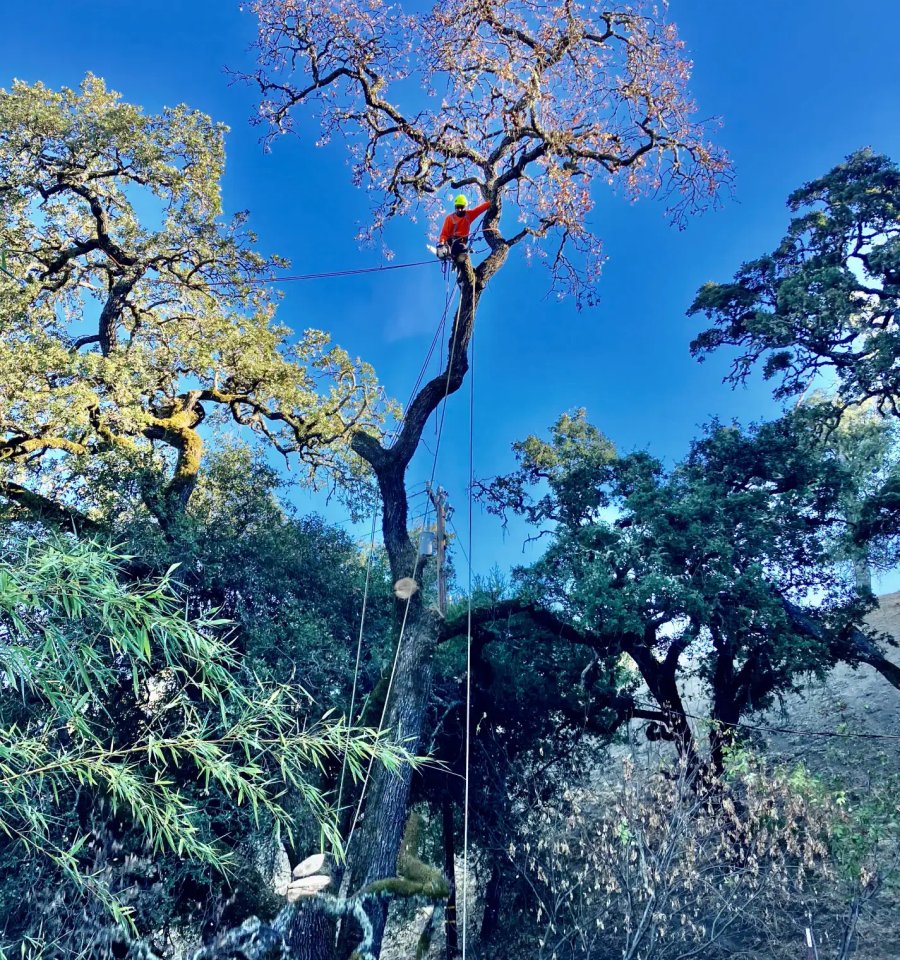
SRT Forestry provides tree surgery in Santa Rosa, CA for mature trees that need more than standard pruning. Tree surgery is specialized corrective work used when a tree has major storm damage, split limbs, weak branch unions, decay pockets, hanging leaders, broken tops, or structural defects that could affect safety or long-term health.
This type of work is common in older oaks, redwoods, pines, eucalyptus, and large landscape trees throughout Santa Rosa neighborhoods like Fountaingrove, Bennett Valley, Rincon Valley, Hidden Valley, Oakmont, and older properties near Spring Lake, Howarth Park, and Annadel. Trees in these areas often deal with wind exposure, drought stress, poor old pruning cuts, or root disturbance from years of property changes.
Tree surgery is about preserving what can be saved while removing what puts the tree or property at risk. Some trees need selective reduction, structural support, weight balancing, deadwood removal, or decay cleanup. Others may need a more honest conversation about whether the tree is still safe to keep. We inspect the whole tree before making recommendations.
- Corrective pruning for split limbs, broken tops, decay, and structural defects
- Storm-damaged tree recovery and canopy restoration work
- Structural support and preservation planning for mature trees
- Local tree surgery for Santa Rosa neighborhoods and Sonoma County properties
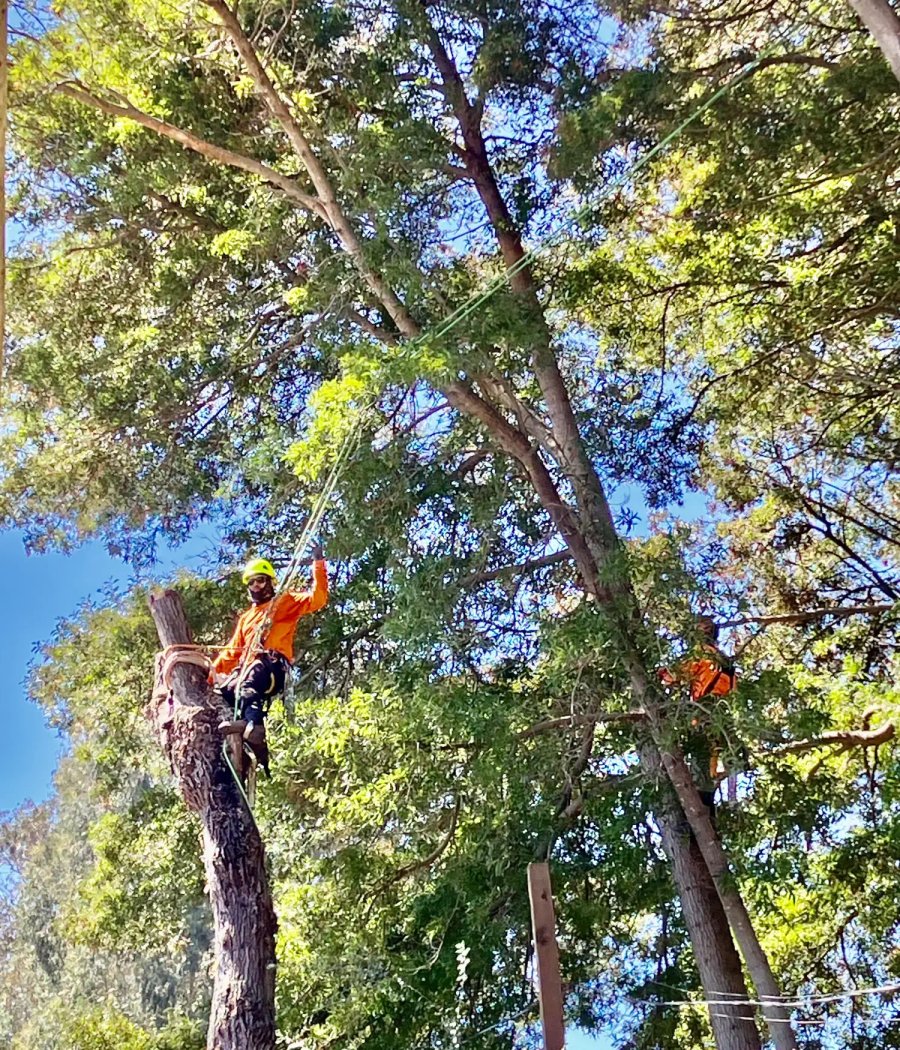
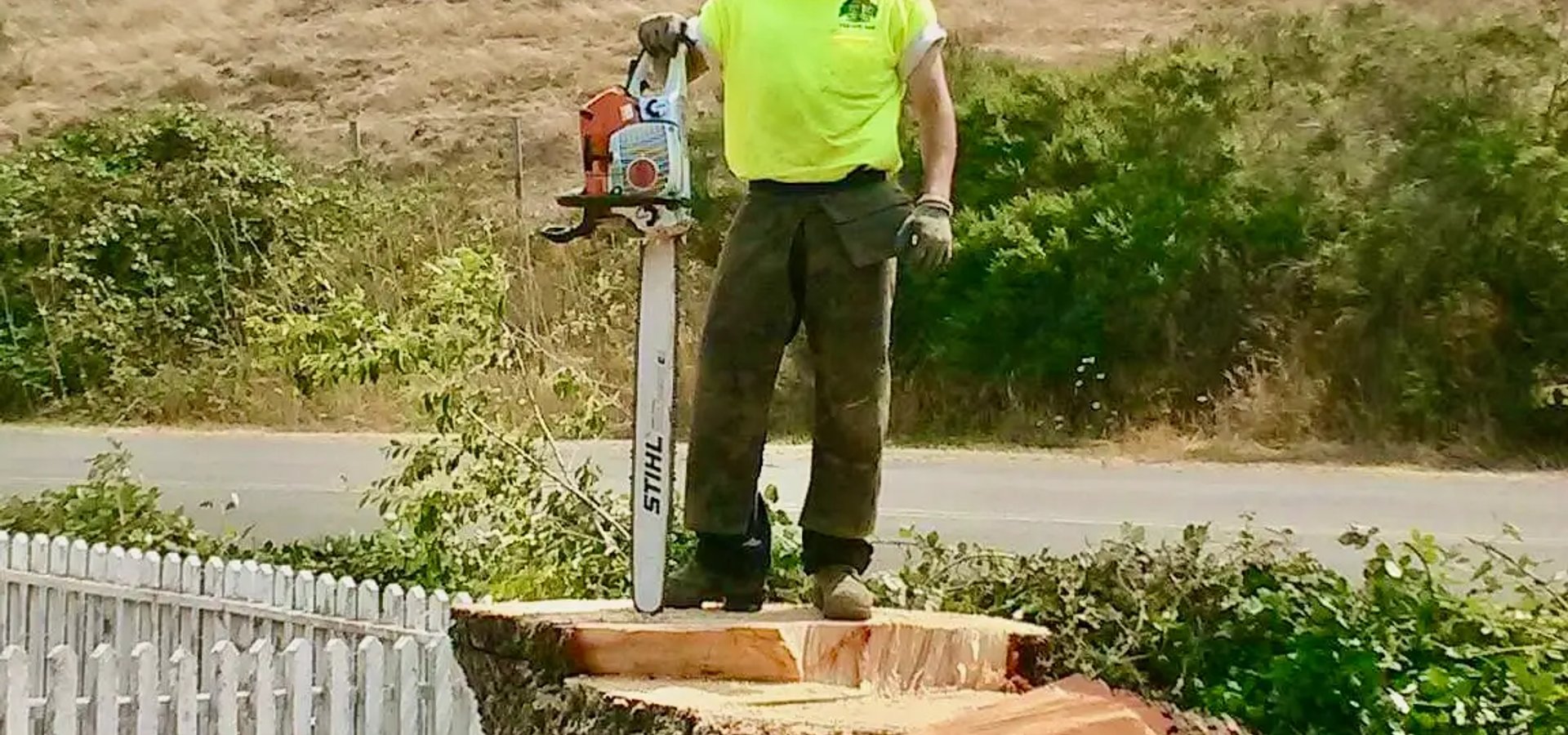
Some Trees Need Corrective Work, Not a Chainsaw
With the right cuts and structural planning, some damaged trees can stay standing safely for years instead of being removed too early.
When Tree Surgery Makes Sense for Santa Rosa Properties
Tree surgery is often the best fit when a tree has major structural damage, heavy storm stress, or advanced pruning problems that need a careful plan.
Split Limbs and Weak Unions
Some trees develop heavy co-dominant stems, weak branch attachments, or visible splits. If left alone, these unions may fail under wind or branch weight. In some cases, corrective pruning or tree cabling and bracing may help support the structure.
Storm-Damaged Canopies
Wind can snap leaders, crack major limbs, and leave hanging branches high in the canopy. Instead of removing the whole tree, some trees can be restored through selective corrective cuts. If the damage is fresh, our storm damage tree service may be the first step.
Poor Old Pruning Cuts
Old topping cuts, rough removals, and aggressive thinning can create weak regrowth, decay pockets, and uneven branch weight. Tree surgery can help rebalance the canopy and remove unsafe growth while keeping the tree natural where possible.
Decay and Structural Defects
Cavities, fungal growth, soft wood, bark separation, and cracks may point to structural decay. Some trees can be reduced or stabilized. Others may be too compromised. If decay is present, tree disease diagnosis or tree inspection may be recommended first.
Mature Oak Restoration
Older oaks sometimes need corrective work after storms, poor cuts, or long periods without maintenance. We focus on protecting the tree while reducing failure risk. For native trees, our oak tree care service may also be part of the plan.
Trees Worth Preserving
Some damaged trees still have years of life left with the right work. If the tree is valuable to the property, we may combine corrective cuts with tree preservation planning instead of removing it right away.


We Look at Structure, Health, Risk & What the Tree Could Hit
Tree surgery is not just about the tree. It is also about the space around it. A cracked limb over open ground is different from a cracked limb over a home in Montecito Heights, a driveway in Bennett Valley, or a trail near Spring Lake. We look at structure, canopy balance, decay signs, and nearby targets before making cuts.
If the tree can be safely preserved, we build a plan around the least invasive work possible. If the tree has major internal decay, root failure, or active movement in the trunk, we may recommend a hazardous tree removal plan instead. The goal is honest arborist guidance, not overselling work.
- Structure review: We check cracks, unions, weight load, and branch attachment points.
- Decay review: We inspect cavities, fungi, bark defects, and soft wood.
- Target review: We look at roofs, roads, fences, patios, cars, trails, and utility zones.
- Corrective cuts: We reduce weight, remove defects, and support healthy structure.
- Long-term plan: We decide whether preservation, monitoring, or removal makes the most sense.
Have a storm-damaged or structurally compromised tree in Santa Rosa or Sonoma County? Call SRT Forestry for professional tree surgery.
Call NowTree Surgery Questions in Santa Rosa
What is tree surgery?
Tree surgery is specialized corrective tree work used when a tree has structural damage, storm injuries, decay, weak branch unions, or major canopy defects. It goes beyond normal pruning and focuses on stability, safety, and long-term preservation.
Can a storm-damaged tree be saved?
Sometimes. It depends on how much of the canopy, trunk, and root system is still sound. Some trees respond well to corrective pruning and structural support. Others may be too compromised for safe long-term retention.
Does decay always mean removal?
Not always. Some decay can be managed if the tree still has strong structure and low failure risk. The location of the decay, the tree species, and what sits below the tree all matter before deciding what to do.
Can older oaks be restored instead of removed?
Many older oaks can be improved with corrective pruning, deadwood removal, weight balancing, and root zone care. We inspect the tree first before recommending removal, especially when the tree has long-term landscape value.