

Tree Preservation Santa Rosa
Tree Preservation in Santa Rosa for Mature, Valuable & Protected Trees
SRT Forestry provides tree preservation in Santa Rosa, CA for property owners who want to protect important trees instead of losing them to stress, poor pruning, construction damage, root injury, or neglect. Mature trees add shade, privacy, slope support, beauty, and long-term value to a property. Once a large oak, redwood, or established shade tree is gone, it cannot be replaced quickly.
Tree preservation is about keeping good trees healthy and stable for as long as possible. That may include careful pruning, deadwood removal, root protection, soil care, watering changes, monitoring, and planning around construction or landscaping work. The right approach depends on the tree species, age, condition, root area, and what is happening around it.
In Santa Rosa and Sonoma County, preservation matters most for mature oaks, redwoods, trees near homes, trees on slopes, trees around new construction, and trees that help define the property. We look at the tree and the site together, then recommend practical steps to reduce stress and protect the tree long term.
- Preservation care for mature oaks, redwoods, pines, firs, and large landscape trees
- Root zone protection, canopy care, pruning guidance, and tree health monitoring
- Helpful before construction, grading, trenching, concrete work, or landscape changes
- Honest recommendations for trees worth saving and trees that may be too far declined
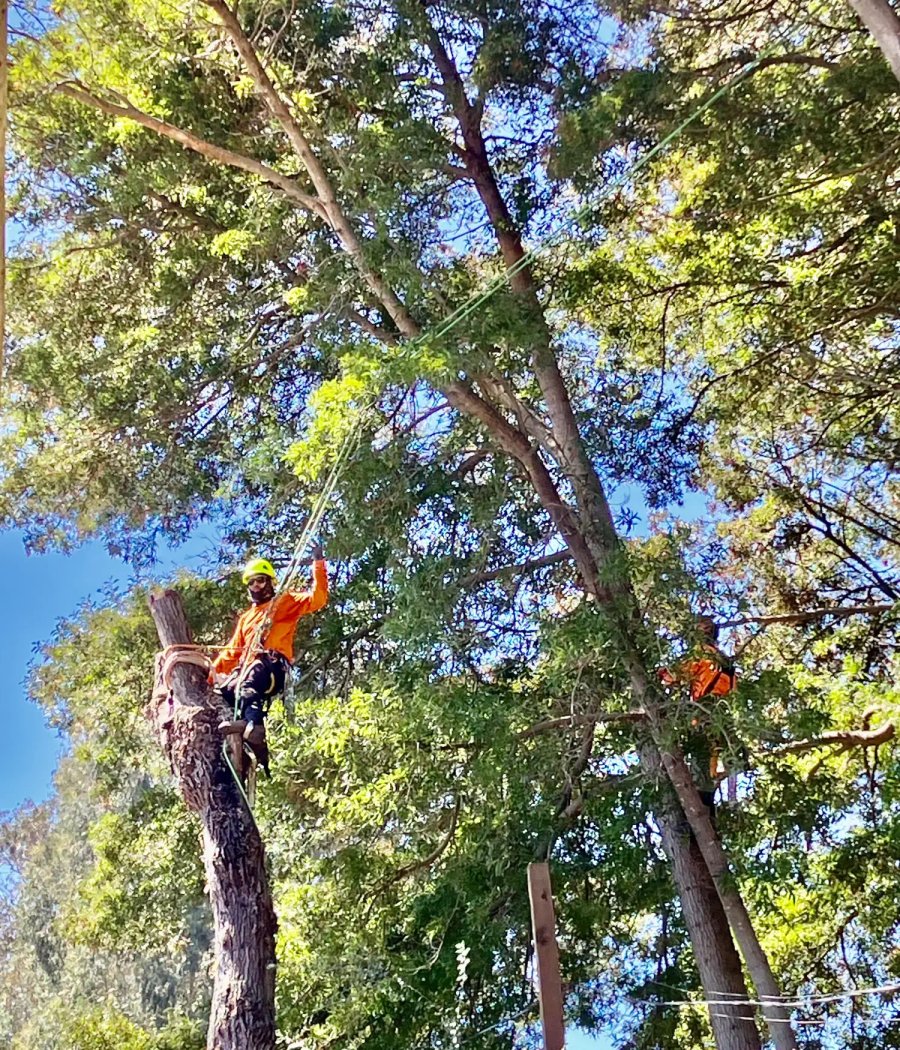
Preservation Starts Before Damage Happens
Most tree damage happens slowly from roots being cut, soil being packed down, poor pruning, or stress that goes unnoticed. Early care gives the tree a better chance.
How We Help Preserve Trees on Santa Rosa Properties
Tree preservation works best when the roots, trunk, canopy, soil, and site conditions are all considered together.
Mature Tree Health Review
Before care begins, we look at the tree's current condition. We check canopy density, deadwood, branch structure, trunk wounds, root flare, soil, and signs of stress. If the tree is already declining, a tree health assessment can help decide whether preservation is realistic.
Root Zone Protection
The root area is one of the most important parts of tree preservation. Roots can be damaged by trenching, heavy equipment, grading, hardscape work, soil compaction, and changes in drainage. For stressed root zones, root management or root aeration may help support the tree.
Careful Pruning and Deadwood Removal
Preservation pruning is not about cutting a tree back hard. It is about removing what needs to be removed while keeping the tree strong. That may include dead limbs, broken branches, rubbing limbs, or overextended growth. When needed, tree pruning and deadwood removal can reduce stress and improve safety.
Construction and Landscape Protection
Many trees are damaged during projects around the home. New driveways, patios, retaining walls, grading, drainage work, and trenching can all affect roots. If work is planned near important trees, tree preservation planning can help set protection zones and reduce long-term damage.
Oak and Native Tree Care
Oaks and native trees need careful handling. Too much summer water, soil piled over roots, poor pruning, and root disturbance can cause long-term problems. For mature oaks, our oak tree care service can help protect the tree while keeping the surrounding property usable.
Monitoring and Long-Term Care
Preservation is often ongoing. A tree may need seasonal checks, follow-up pruning, watering changes, mulch, or monitoring after storms and drought. If symptoms change or decline continues, tree diagnostics can help identify what changed and what to do next.




We Protect the Tree by Protecting the Space It Grows In
A tree is not separate from the soil around it. If roots are cut, covered, compacted, or dried out, the canopy will show it later. That is why our preservation work starts with the growing space. We look at what the tree needs, what is stressing it, and what work is planned nearby.
From there, we build a practical plan. For one tree, that may be light pruning and monitoring. For another, it may be root zone care, mulch, construction protection, and follow-up assessments. If the tree has decay, disease, or risk concerns, we may recommend tree risk assessment before deciding whether to preserve or remove it.
- Tree condition: We check canopy, trunk, branches, roots, and visible stress signs.
- Root area: We identify where roots may be damaged, compacted, buried, or disturbed.
- Site activity: We review construction, landscaping, irrigation, drainage, and access needs.
- Care plan: We recommend pruning, root care, monitoring, watering changes, or protection zones.
- Honest limits: We tell you when a tree is worth preserving and when it may be too far gone.
Have a mature tree you want to protect? Call SRT Forestry for tree preservation in Santa Rosa or Sonoma County.
Call NowTree Preservation Questions in Santa Rosa
Common questions from property owners who want to protect mature trees, native trees, and valuable landscape trees.
What is tree preservation?
Tree preservation is the work done to protect a tree's long-term health and stability. It can include pruning, deadwood removal, root protection, soil care, watering changes, construction protection, and routine monitoring. The goal is to reduce stress and keep valuable trees healthy for as long as possible.
When should I think about preserving a tree?
Tree preservation is smart for mature trees, native oaks, large shade trees, redwoods, trees near construction, trees on slopes, and trees that add major value to the property. It is best to start before damage happens, especially before trenching, grading, paving, or heavy equipment moves near the tree.
Can every tree be preserved?
No. Some trees are too damaged, decayed, unstable, or far declined to save safely. Preservation works best when the tree still has good structure, enough live canopy, and a root system that can support recovery. If the tree is unsafe, removal may be the better option.
Can construction hurt a tree even if the trunk is not touched?
Yes. Most serious tree damage happens underground. Cutting roots, compacting soil, changing drainage, or adding soil over the root flare can hurt a tree even when the trunk looks fine. Symptoms may not show up until months or years later, which is why planning ahead matters.
Tree Preservation and Related Services
Need help with another tree or arborist service? SRT Forestry serves Santa Rosa and nearby Sonoma County communities.