

Certified Arborist Santa Rosa
Certified Arborist Guidance for Tree Health, Safety & Long-Term Planning
SRT Forestry provides certified arborist service in Santa Rosa, CA for homeowners, property managers, rural properties, and commercial sites that need professional tree guidance before making expensive decisions. If a tree is leaning, declining, dropping limbs, showing disease symptoms, or growing near structures, a certified arborist can help you understand what is happening and what your options are.
Not every tree needs to come down. Some trees can be preserved through proper pruning, root care, monitoring, or structural support. Other trees may have too much decay, instability, or site conflict to safely keep. Our arborist service helps you make the right call before moving into physical work like tree removal, tree pruning, or tree cabling and bracing.
- Tree health inspections and diagnosis
- Structural risk evaluations for damaged trees
- Preservation recommendations for valuable trees
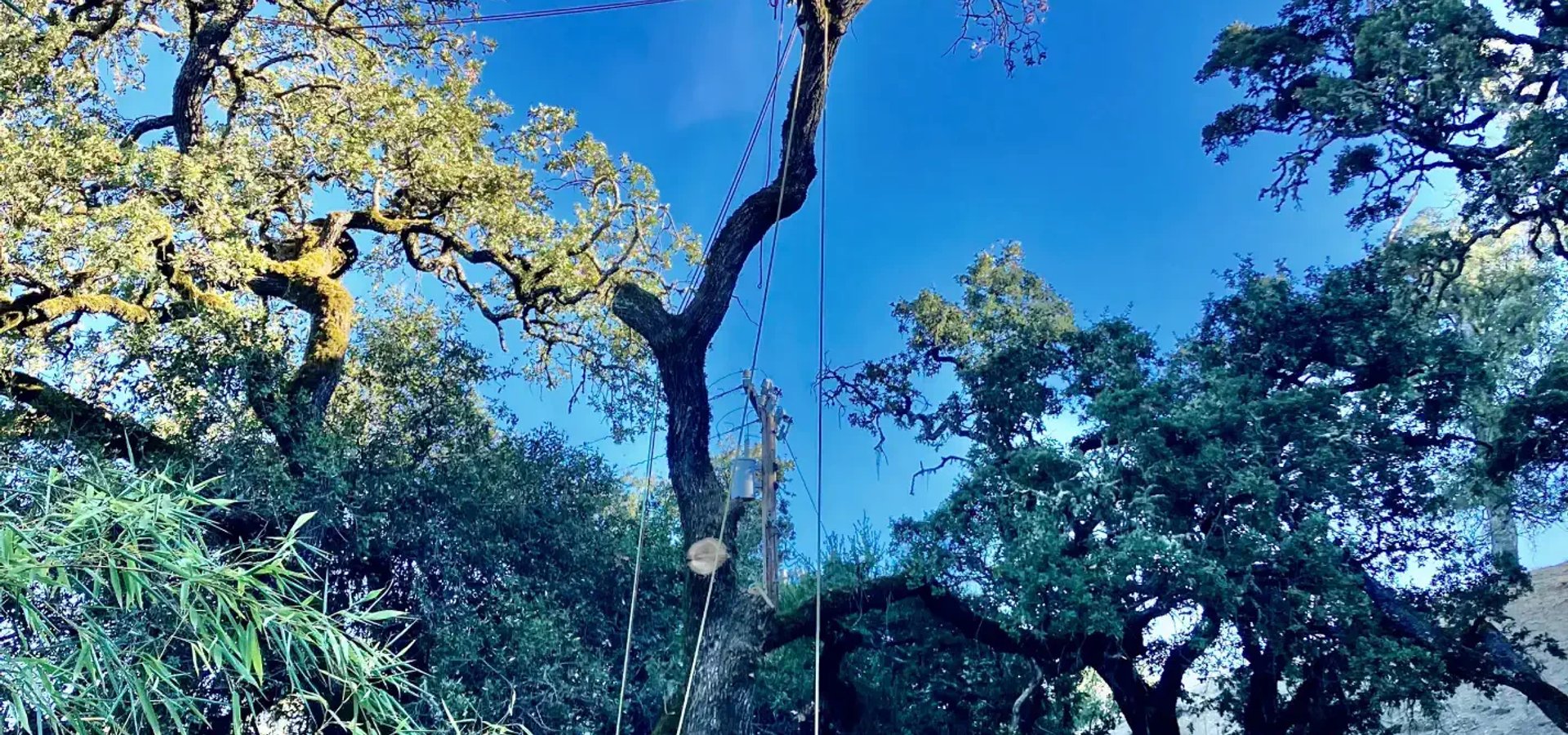
- Oak tree care, root concerns, and site conflicts
Start With the Right Tree Assessment
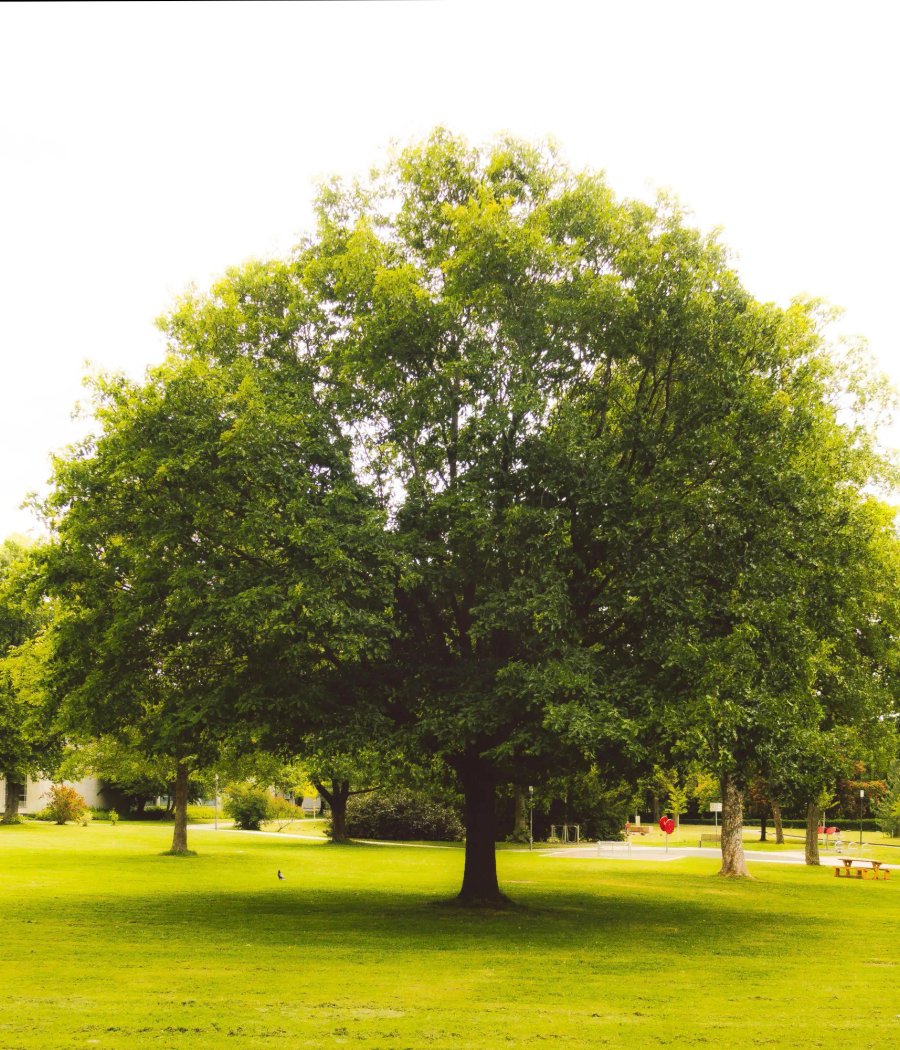
Many tree problems can be managed if caught early. A proper inspection can help prevent unnecessary removals or expensive property damage later.
When Property Owners Call a Certified Arborist
Tree Inspections
If something looks off, we start with a tree inspection to look at canopy health, deadwood, trunk damage, root flare, lean, bark issues, and visible decay.
Tree Risk Assessments
Leaning trees, cracked limbs, storm damage, and trees near homes often need a tree risk assessment before any work begins.
Tree Health Problems
Yellow leaves, fungal growth, thinning canopy, dieback, and insect activity may need tree diagnosis or a tree health assessment.
Preservation Planning
Some mature trees are worth protecting. We help with tree preservation and long-term care planning.
Root Zone Problems
Construction, compaction, irrigation issues, and hardscape changes can damage roots. We may recommend root management or root aeration.
Oak Tree Care
Native oaks often need specialized attention. We provide oak tree care, deadwood planning, and health recommendations.
A Good Arborist Looks at the Tree and the Property
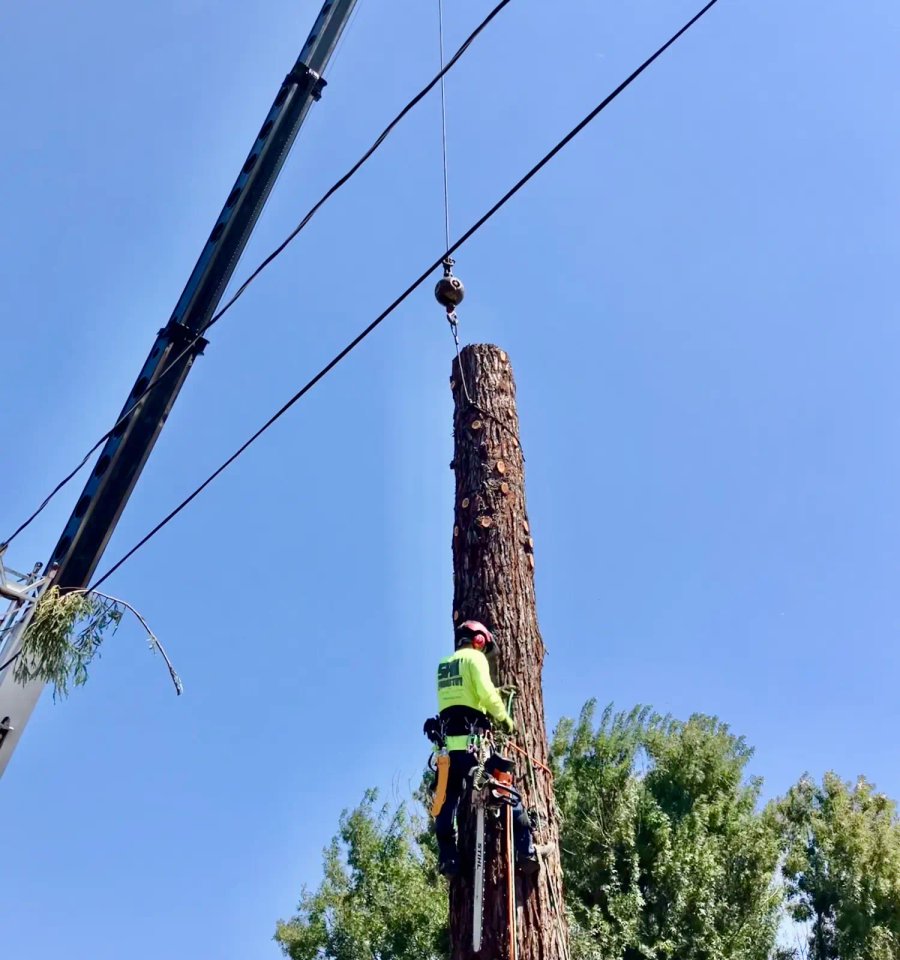
A tree can look healthy from across the yard but still have internal decay, weak branch unions, root stress, or site conflicts that increase long-term risk. That is why we do more than just look at the leaves.
We look at the tree, the soil, the root zone, nearby structures, drainage, slopes, irrigation, and past pruning history. Sometimes the best answer is preservation. Other times the safest answer may be hazardous tree removal or storm damage tree service.
- Canopy: Deadwood, thinning, dieback, and branch structure
- Trunk: Cracks, wounds, cavities, fungal growth, and decay
- Roots: Root flare, compaction, grade changes, exposed roots
- Site: Structures, fences, slopes, access, and fire exposure
Certified Arborist Questions
When should I call a certified arborist?
If a tree is leaning, dropping limbs, declining, showing disease symptoms, or growing near structures, it is smart to get a professional evaluation before making decisions.
Can a certified arborist help save a tree?
Sometimes yes. Depending on the issue, pruning, preservation planning, root care, or structural support may help extend the life of the tree.
What if the tree cannot be saved?
If the tree becomes unsafe, we can help transition into the right tree service, including removal, cleanup, stump grinding, or fire clearance work.
Do you work on oak trees?
Yes. Oaks are common across Sonoma County, and proper pruning, deadwood removal, and root care can make a major difference in long-term health.