

Organic Tree Care Santa Rosa
Organic Tree Care in Santa Rosa for Healthy Soil, Strong Roots & Long-Term Tree Health
SRT Forestry provides organic tree care in Santa Rosa, CA for property owners who want healthy trees without harsh, unnecessary treatments. A tree's health starts in the soil. When roots have room, air, water, mulch, and good growing conditions, the tree has a better chance of handling drought, heat, pests, disease, and storm stress.
Organic tree care is not about doing nothing. It is about using smart, low-impact care that supports the tree instead of fighting against it. That may include proper pruning, mulch, root zone care, soil improvement, deadwood removal, watering guidance, and monitoring for stress before problems get worse.
This approach is a good fit for mature oaks in Bennett Valley, redwoods in Hidden Valley, shade trees near Montgomery Village, older trees around Junior College, and rural properties near Mark West Springs, Wikiup, and Sebastopol Road. We look at the tree and the land around it before making a care plan.
- Low-impact tree care focused on soil, roots, pruning, and long-term health
- Organic care support for oaks, redwoods, pines, fruit trees, and mature shade trees
- Root zone care, mulch guidance, deadwood removal, and stress monitoring
- Tree care for Santa Rosa neighborhoods and Sonoma County properties
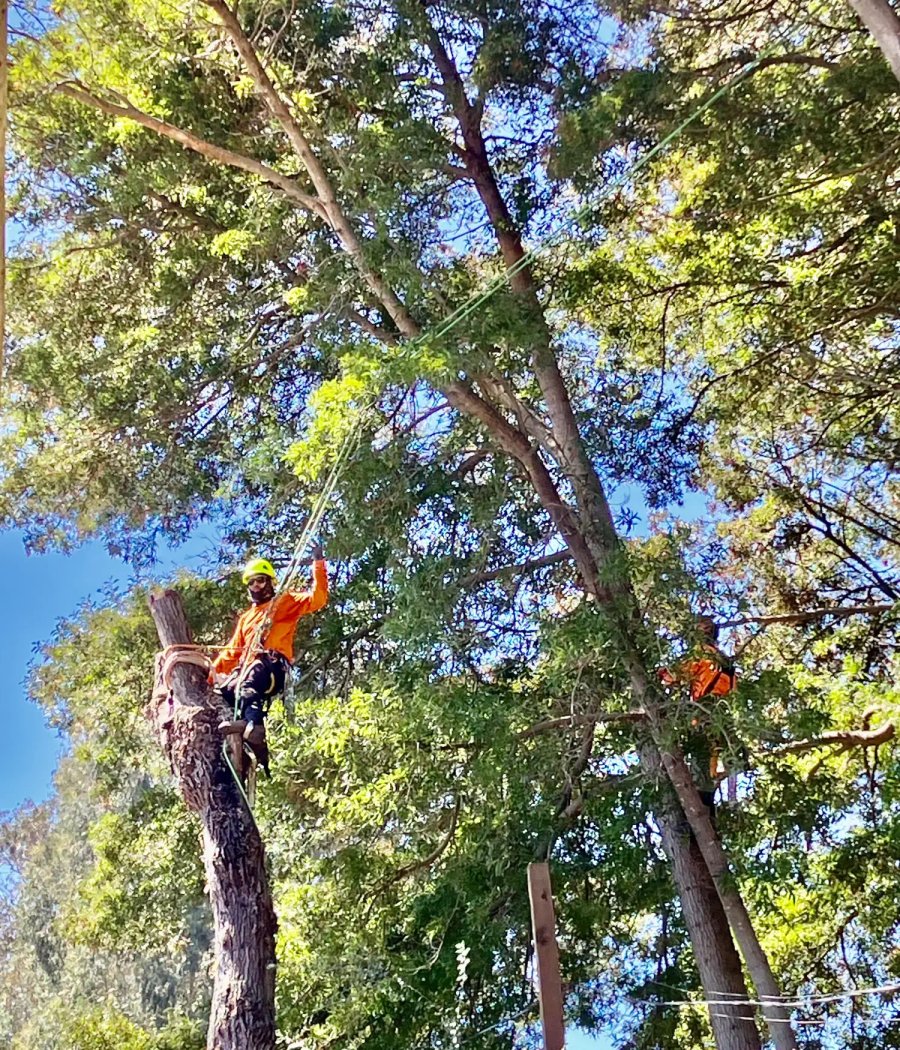
Healthy Roots Make Stronger Trees
Organic tree care focuses on the root zone, soil, mulch, water, and careful pruning so trees can grow stronger without being overworked or over-treated.
Organic Tree Care Services for Santa Rosa Properties
Organic tree care is best when the whole growing environment is considered: roots, soil, canopy, watering, mulch, and site stress.
Tree Health Review
Before making changes, we look at the tree's current condition. We check canopy density, deadwood, leaf color, bark, roots, soil, and site stress. If the tree is already showing decline, a tree health assessment can help guide the care plan.
Root Zone Support
Roots need air, water, and healthy soil. Compacted soil, buried root flares, poor drainage, and heavy foot traffic can all stress trees. For packed soil around important trees, root aeration may help improve root zone conditions.
Selective Pruning and Deadwood Removal
Organic care does not mean leaving unsafe limbs in place. It means pruning only what needs to be pruned. We remove dead, broken, crowded, or poorly placed branches while protecting healthy canopy. Related services include tree pruning and deadwood removal.
Mulch and Soil Guidance
Good mulch helps protect soil moisture, reduce compaction, and support root health. Bad mulch placement can hurt the tree, especially when piled against the trunk. We help property owners understand where mulch helps, where it causes problems, and how to protect the root flare.
Oak and Native Tree Care
Mature oaks and native trees should not be treated like lawn trees. Overwatering, heavy pruning, and root disturbance can cause long-term stress. For local native trees, especially mature oaks, our oak tree care service can help protect the tree with a lighter, more natural approach.
Long-Term Preservation
Organic tree care works best as part of long-term maintenance, not last-minute rescue. If the tree is valuable to the property, tree preservation can help create a plan for pruning, root care, monitoring, and protection during future property work.




We Build Tree Care Around the Site, Not a Product
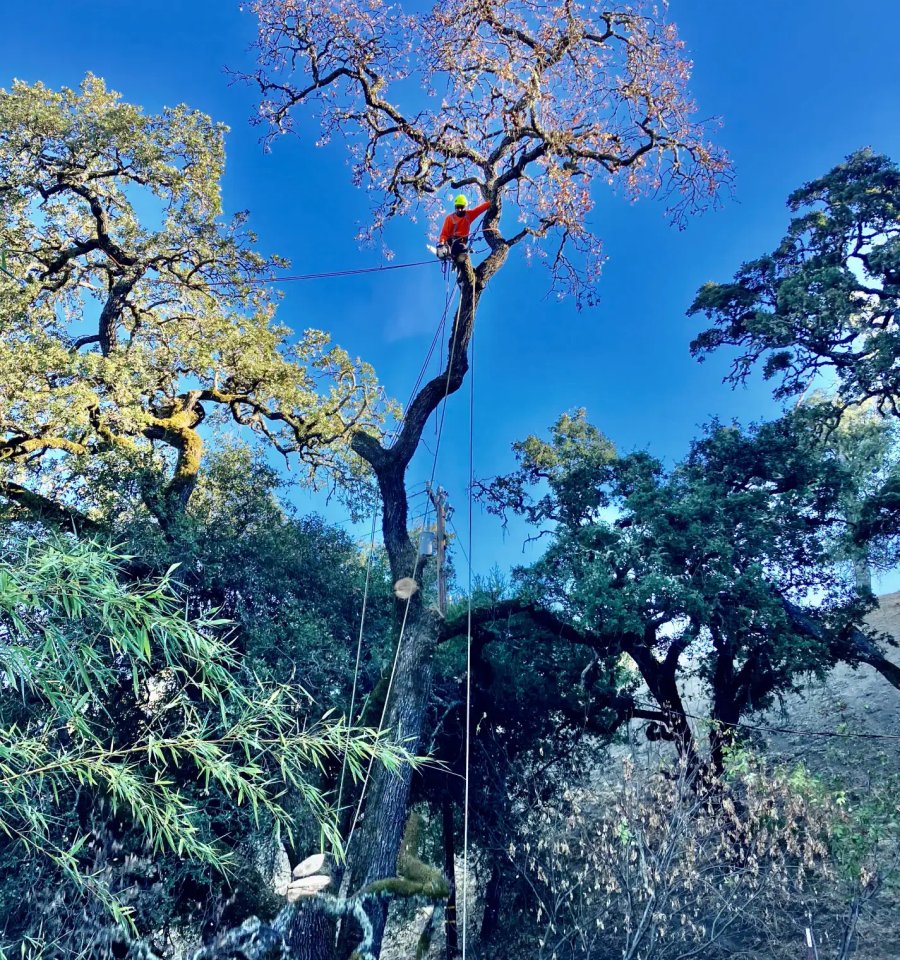
Organic tree care should be practical. We do not start with a product or treatment. We start by looking at the tree and the site. A redwood near a shaded creek area needs different care than an oak on a dry Bennett Valley hillside or a street tree near compacted soil downtown.
After reviewing the tree, we recommend the least invasive work that makes sense. That may be pruning, deadwood removal, mulch correction, root zone care, soil support, watering changes, or monitoring. If the tree has disease symptoms, heavy dieback, or structural concerns, we may recommend tree diagnostics or tree risk assessment before moving forward.
- Tree review: We check canopy, trunk, branches, roots, and visible stress signs.
- Soil review: We look at compaction, mulch, drainage, irrigation, and root flare exposure.
- Site context: We consider neighborhoods, slopes, hardscape, lawns, access routes, and nearby structures.
- Low-impact work: We avoid unnecessary heavy cuts or treatments that may stress the tree.
- Long-term plan: We focus on what helps the tree stay healthier over time.
Want healthier trees with a natural, low-impact approach? Call SRT Forestry for organic tree care in Santa Rosa and Sonoma County.
Call NowOrganic Tree Care Questions in Santa Rosa
Common questions from property owners who want healthy trees, better soil, and careful tree care without overdoing the work.
What does organic tree care mean?
Organic tree care means supporting the tree with low-impact practices like soil care, mulch, root zone protection, careful pruning, and monitoring. The goal is to improve growing conditions instead of relying on harsh or unnecessary treatments.
Can organic tree care help a declining tree?
Sometimes. If the tree is stressed from soil compaction, poor watering, mulch problems, or root zone pressure, better care may help. If the tree has major decay, severe disease, or structural failure, organic care may not be enough to save it.
Is mulch good for trees?
Yes, when placed correctly. Mulch can protect soil moisture, reduce compaction, and support roots. It should not be piled against the trunk. A buried trunk or root flare can lead to moisture problems and decay.
Is organic tree care good for oak trees?
Yes, especially when the care respects how native oaks grow. Mature oaks often need careful pruning, root protection, and good soil conditions. They usually do not need heavy watering or aggressive cutting.
Organic Tree Care and Related Services
Need help with another tree or arborist service? SRT Forestry serves Santa Rosa and nearby Sonoma County communities.