

Plant Analysis Santa Rosa
Plant Analysis in Santa Rosa for Trees, Shrubs, Soil Stress & Site Problems
SRT Forestry provides plant analysis in Santa Rosa, CA for property owners who need help understanding why trees, shrubs, or woody plants are struggling. Poor color, leaf drop, dead tips, slow growth, bark damage, root issues, and dieback can come from many different causes. The problem is not always disease. It may be water, soil, roots, pruning, drainage, heat, pests, or a recent change on the property.
We look at the plant and the site together. A shrub near a hot driveway in Montgomery Village has different stress than an oak in Bennett Valley, a redwood in Hidden Valley, or a row of trees near a fence line in Rincon Valley. Plant analysis helps connect the symptoms to the growing conditions so the next step is based on what is actually happening.
This service is helpful for homeowners, rural property owners, HOAs, and commercial sites around Santa Rosa, Fountaingrove, Oakmont, Wikiup, Roseland, Coffey Park, and greater Sonoma County. Whether the concern is one important tree or a group of declining plants, we give clear, practical recommendations without making it more complicated than it needs to be.
- Plant and tree health review for stress, dieback, leaf problems, and poor growth
- Review of soil, water, roots, mulch, drainage, sun exposure, and site changes
- Useful for trees, shrubs, hedges, native plants, ornamentals, and woody landscape plants
- Clear next steps for care, pruning, monitoring, soil improvement, or removal
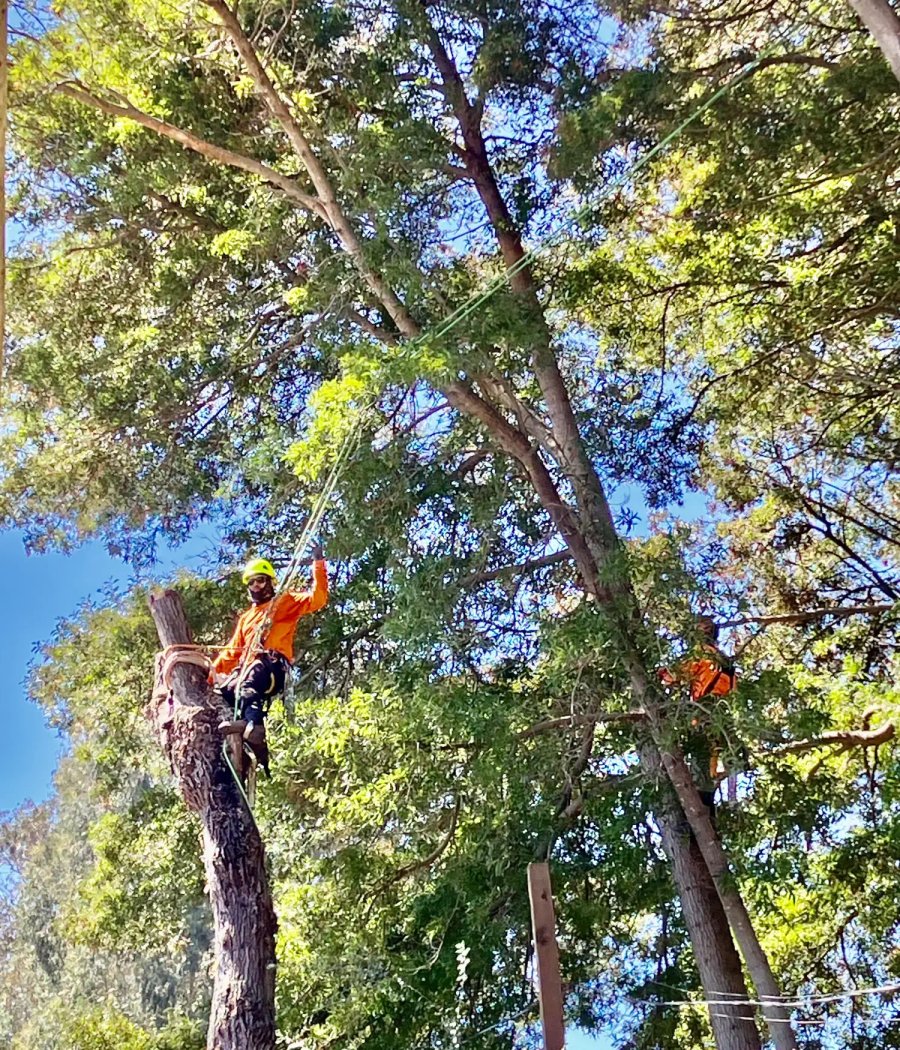
Plant Problems Often Start in the Soil or Roots
Leaves show the symptoms, but the cause is often below ground or around the site. We look at the full picture before recommending work.
Plant Analysis for Common Santa Rosa Tree and Landscape Problems
Plant symptoms can look similar even when the causes are different. We check the plant, root zone, soil, water, and nearby property conditions before giving advice.
Leaf Color, Leaf Drop and Canopy Changes
Yellowing leaves, brown tips, leaf scorch, early leaf drop, or thinning canopies can point to water stress, root stress, disease, pests, or soil problems. For larger trees, a tree health assessment may be the next step if the symptoms are tied to long-term decline.
Root and Soil Stress
Roots need air, water, and room to grow. Compacted soil, buried root flares, poor drainage, hardscape pressure, and trenching can all cause plant stress. If compacted soil is part of the problem, root aeration or root management may help.
Deadwood, Dieback and Poor Growth
Dead tips, branch dieback, and weak growth can happen after drought, heavy pruning, pest pressure, root damage, or disease. When dead limbs are over homes, patios, driveways, or sidewalks, deadwood removal may be needed while the health issue is being reviewed.
Disease and Fungal Signs
Leaf spots, cankers, mushrooms, soft wood, bleeding bark, and unusual growths may point to disease or decay. Not every spot is serious, but patterns matter. If disease appears to be the main issue, see our tree disease diagnosis service.
Site and Landscape Conditions
Plants often struggle because the site changed. New concrete, grading, drainage work, irrigation changes, soil added over roots, or extra sun exposure can all create stress. For bigger property issues, our site evaluation service can help review the whole growing area.
Long-Term Plant Care Planning
Some plants need one repair. Others need ongoing care. Mature trees, native oaks, redwoods, privacy screening, and important landscape plants may need a plan for pruning, soil care, watering, and monitoring. For high-value trees, tree preservation may be the better path.




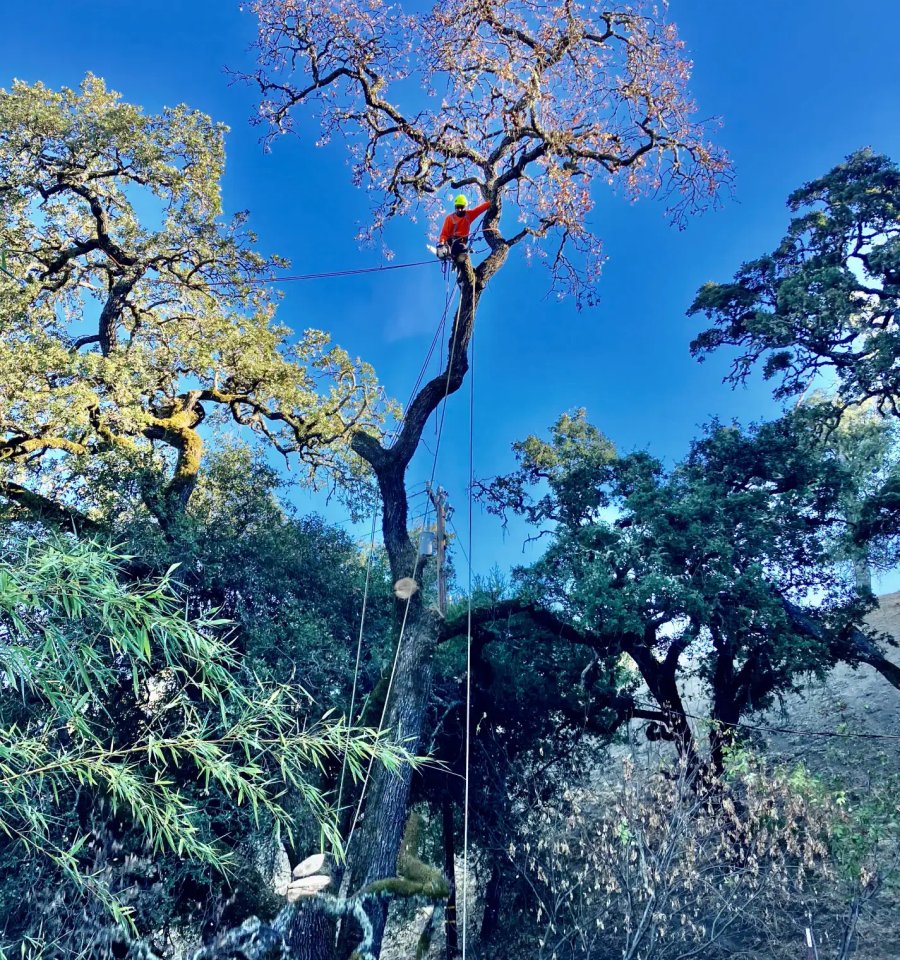
We Look at the Plant, Then the Ground It Is Growing In
A good plant analysis starts with simple observation. We look at the leaves, branches, trunk or stems, root flare, soil, mulch, water, sun exposure, and nearby changes. A plant may be declining because of one issue, but often it is a mix of stress factors. That is why we do not jump straight to a treatment without checking the site.
After the review, we explain what is likely causing the problem and what to do next. That may mean pruning, changing watering habits, improving mulch, opening compacted soil, removing dead growth, monitoring the plant, or removing a plant that is too far gone. If the concern is with a tree that may fail or drop limbs, we may recommend a tree risk assessment.
- Symptom review: We check leaves, stems, branches, bark, canopy, dead tips, and growth patterns.
- Root zone review: We look for compaction, buried roots, poor drainage, dry soil, or excess water.
- Site review: We consider sun, slope, hardscape, irrigation, recent work, and neighborhood conditions.
- Plain explanation: We explain the problem in simple terms, not technical jargon.
- Practical plan: We recommend realistic care steps that fit the plant and property.
Have trees, shrubs, or landscape plants that are yellowing, thinning, dying back, or not growing well? Call SRT Forestry for plant analysis in Santa Rosa and Sonoma County.
Call NowPlant Analysis Questions in Santa Rosa
Common questions from Santa Rosa property owners about stressed plants, declining trees, poor growth, and site-related plant problems.
What is plant analysis?
Plant analysis is a review of plant health and growing conditions. We look at symptoms like yellowing, dieback, poor growth, dead limbs, disease signs, soil problems, water issues, and root stress to help identify what is causing the problem.
Is plant analysis only for trees?
No. It can be useful for trees, shrubs, hedges, woody plants, native plants, and important landscape plants. SRT Forestry focuses mostly on trees and woody plants, but many site and soil problems affect the whole landscape.
Can plant analysis tell me if a plant can be saved?
Yes, it can help. Some plants recover when the stress is corrected. Others are too damaged, diseased, or poorly placed to be worth saving. We give honest advice so you can decide whether to care for it, monitor it, prune it, or remove it.
Why are multiple plants declining at the same time?
When several plants decline together, the cause is often site-related. Common issues include irrigation problems, poor drainage, compacted soil, heat exposure, mulch problems, construction damage, or a change in grade. A site review can help find the shared cause.
Plant Analysis and Related Services
Need help with another tree or arborist service? SRT Forestry serves Santa Rosa and nearby Sonoma County communities.